
Big greenhouse projects bring together engineers, investors, utilities, agencies, designers and growers, and each group speaks its own language. I have spent more than 25 years running greenhouses, writing guidance the industry uses and teaching the people who build them. I help every partner understand what the greenhouse needs, so their decisions still hold up once the plants are in.
The engineer talks in BTUs and tons of cooling. The utility talks in load profiles and rebates, the investor in payback, and the grower in yield and labor. The plants can't speak for themselves at all. My job is to make sure the greenhouse's needs are understood in each of those languages, and to carry everyone's concerns back to the people who will run it.
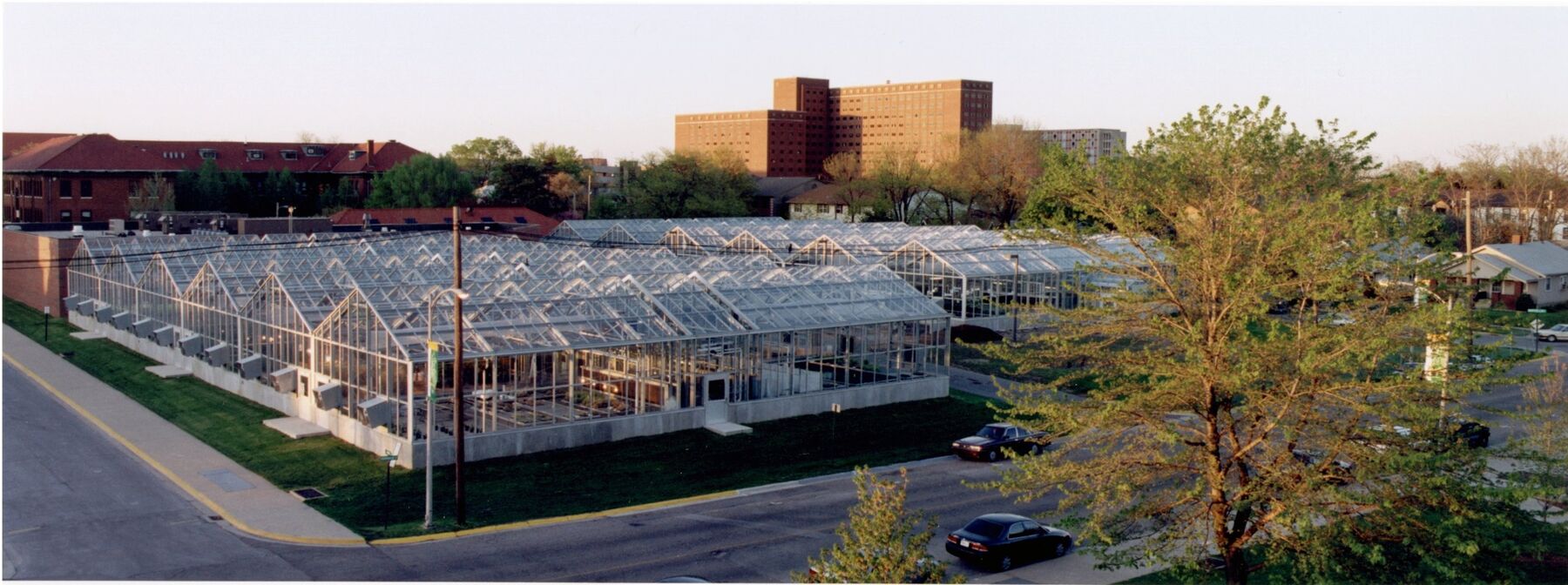
A master's degree in plant nutrition. Twenty years running Purdue's research greenhouses for more than 100 species and dozens of experiments at once. Co-author of a peer-reviewed paper with Berkeley Lab.
Floriculture, greenhouse vegetables, cannabis and research. I know what a typical greenhouse can afford, which growers invest in new technology, and which ones won't.
I can explain the greenhouse to an engineer, a utility program manager, an investor or a hospital administrator in their own terms, and bring their concerns back to the grower.
Thirteen industry guides and reports, more than 30 trade articles, and GrowBuild, a five-course program that teaches horticulture to the people who design and build greenhouses.
Most of my work is for the organizations around the grower: investors, companies, utilities, agencies and schools. I also take on troubleshooting for individual greenhouses.
More than 25 years of running greenhouses, applied to the plans, pitches and information in front of you. Decision makers are flooded with vendor claims, reports and AI-generated answers. I tell you which of it holds up in a real greenhouse, how decisions will play out day to day, and what is missing.
Where a greenhouse's energy goes and what is worth fixing first. Pairing greenhouses with waste heat and CO₂ from data centers, ethanol plants, power plants and industrial sites. More below.
Reports that say whether a greenhouse project makes sense and, if it does, what it will take to build and run it. Clear enough for a board or funder, and specific enough for the team that has to carry it out.
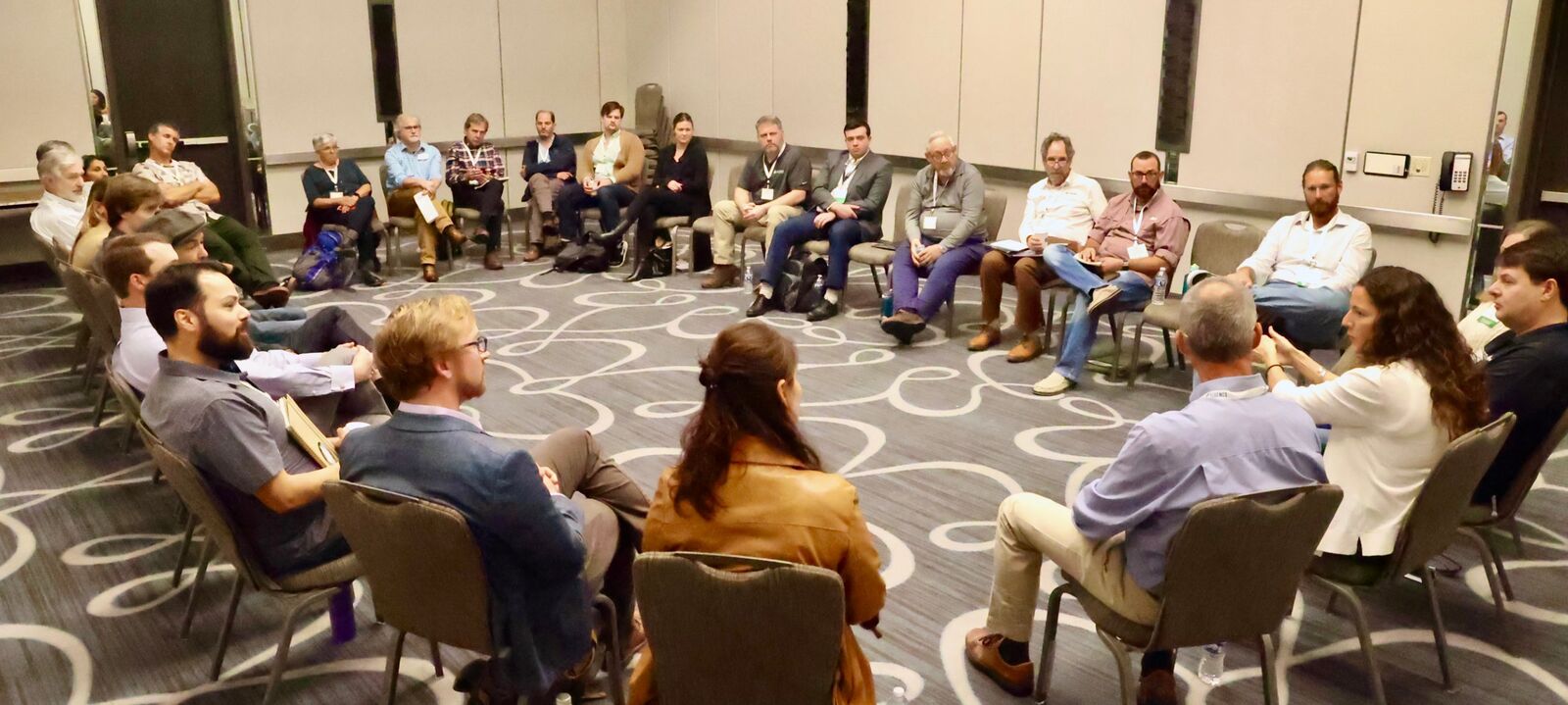
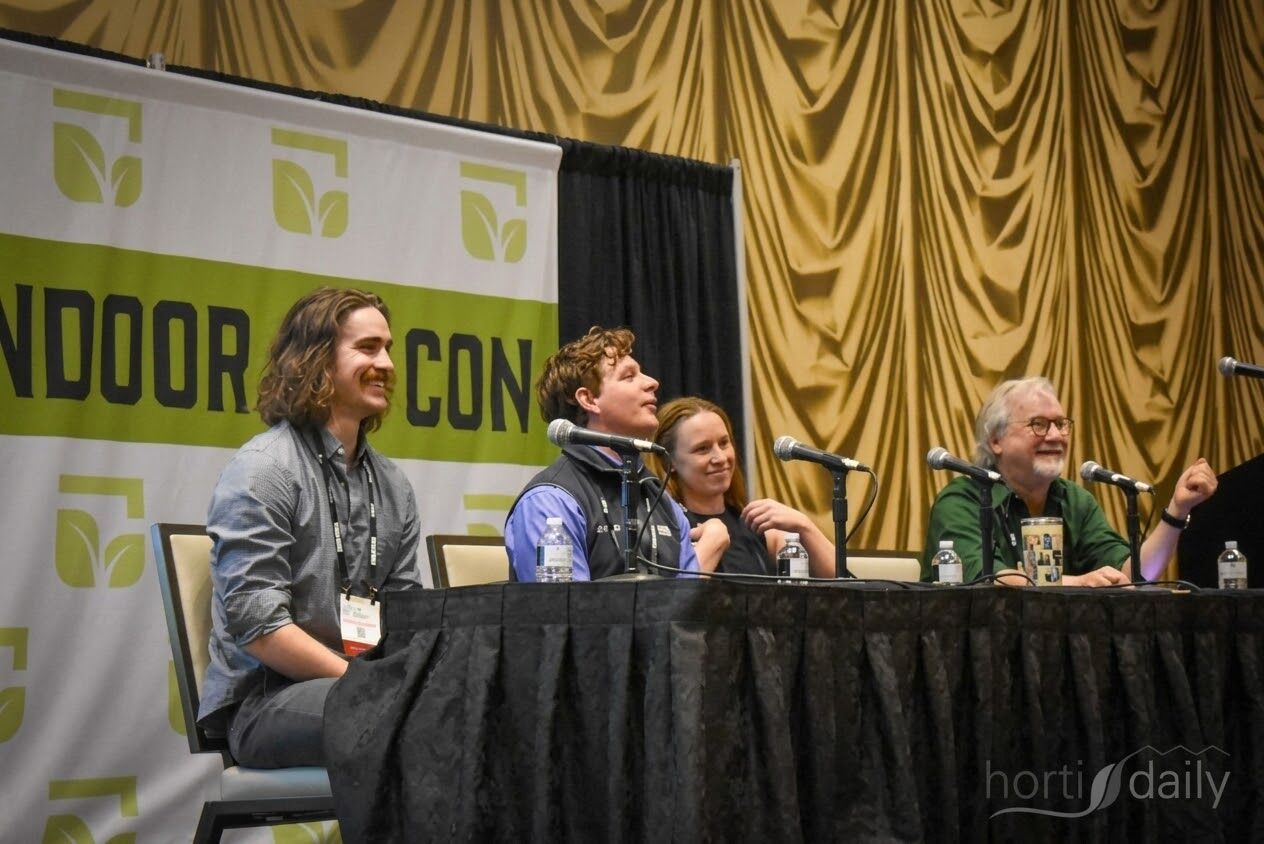
Planning and leading the conversations big projects depend on, with growers, industry, utilities and government at the same table, and turning what is said into next steps.
Courses, curricula, guides and articles for growing teams, builders, students and agency staff, written so a crew can use them on Monday.
For commercial and research greenhouses where plants or equipment are not performing, and for companies running crop trials. I ran research greenhouses at Dow AgroSciences and Purdue, and have advised commercial growers such as BrightFarms.
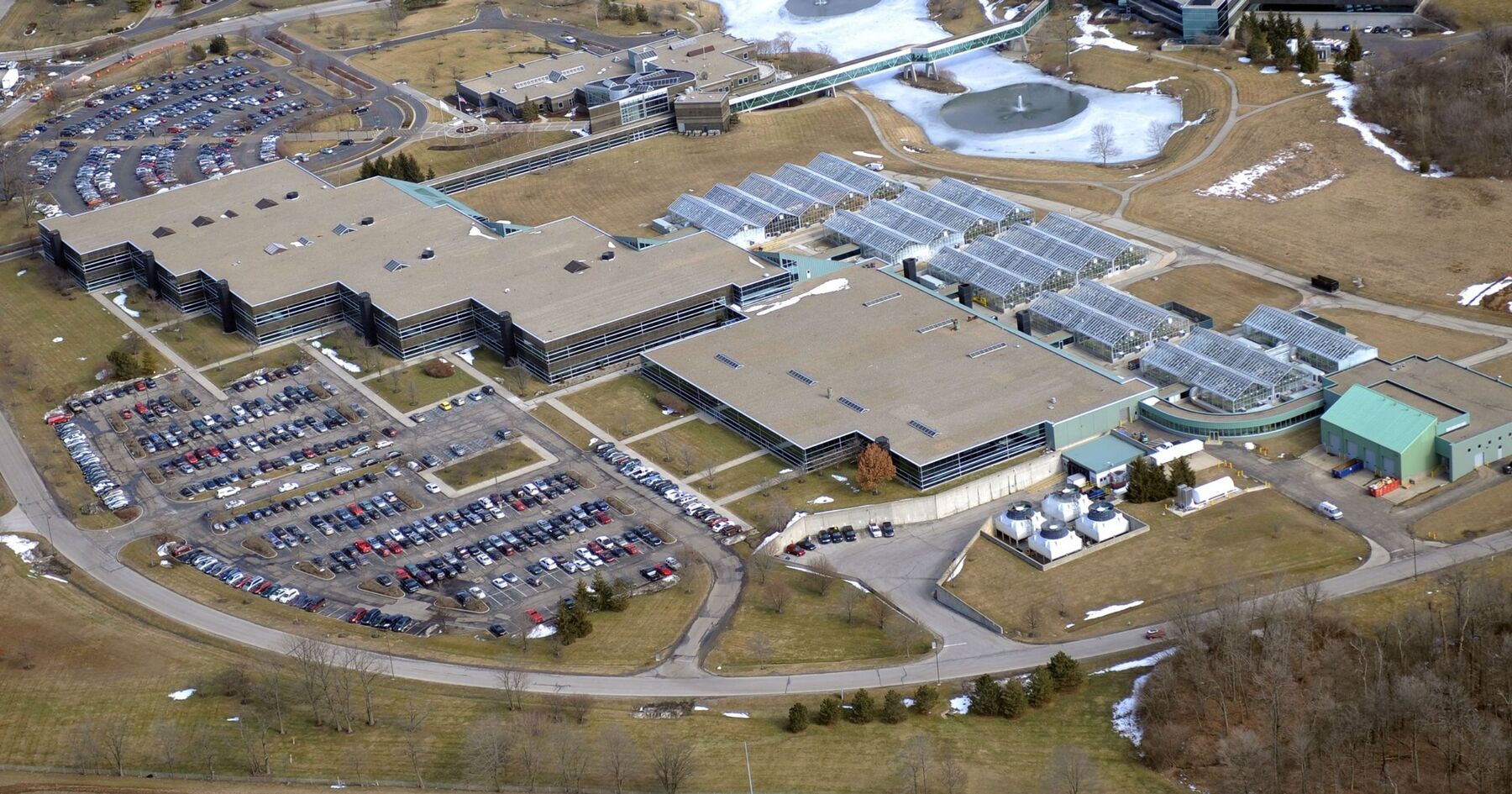
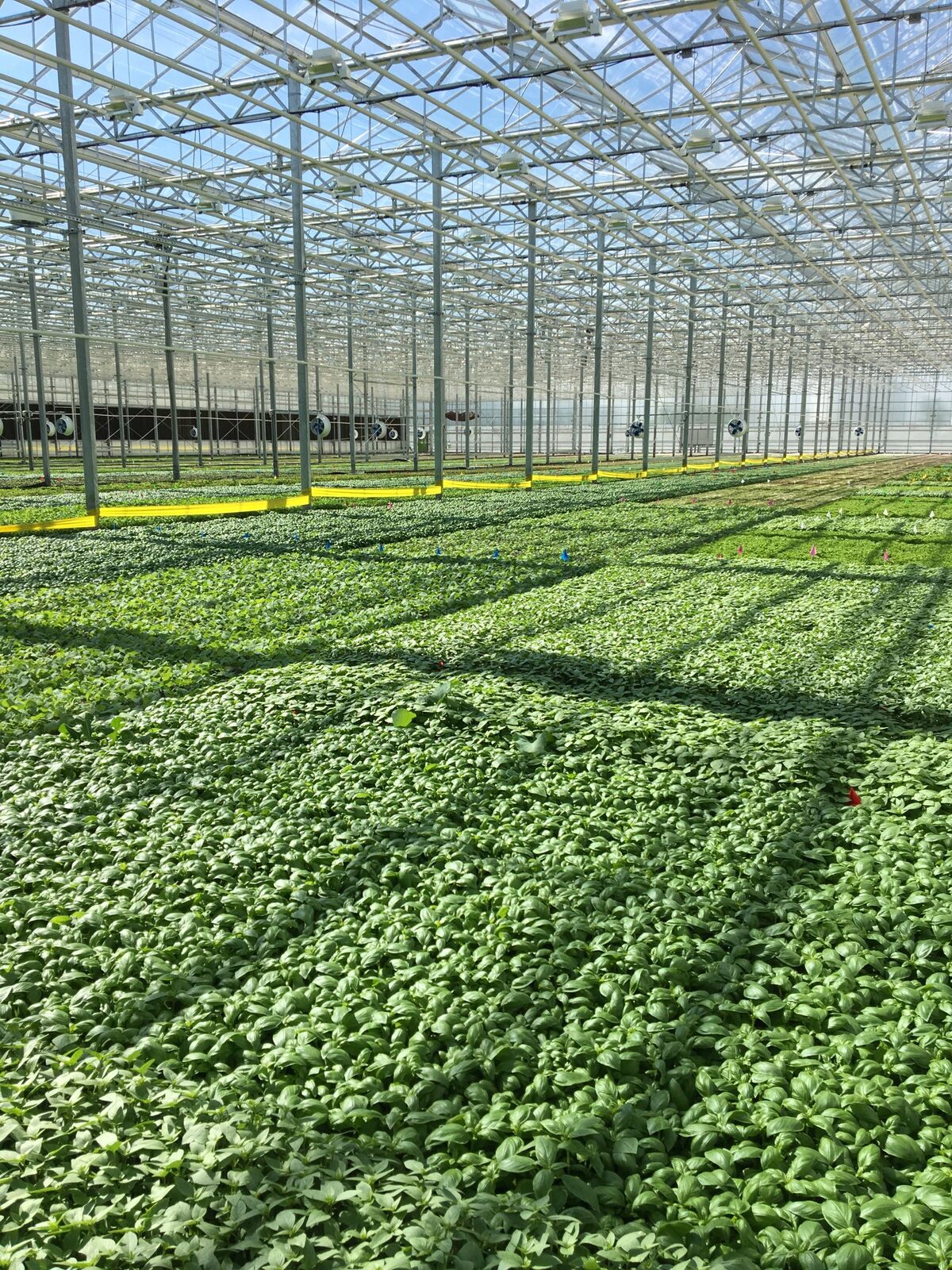
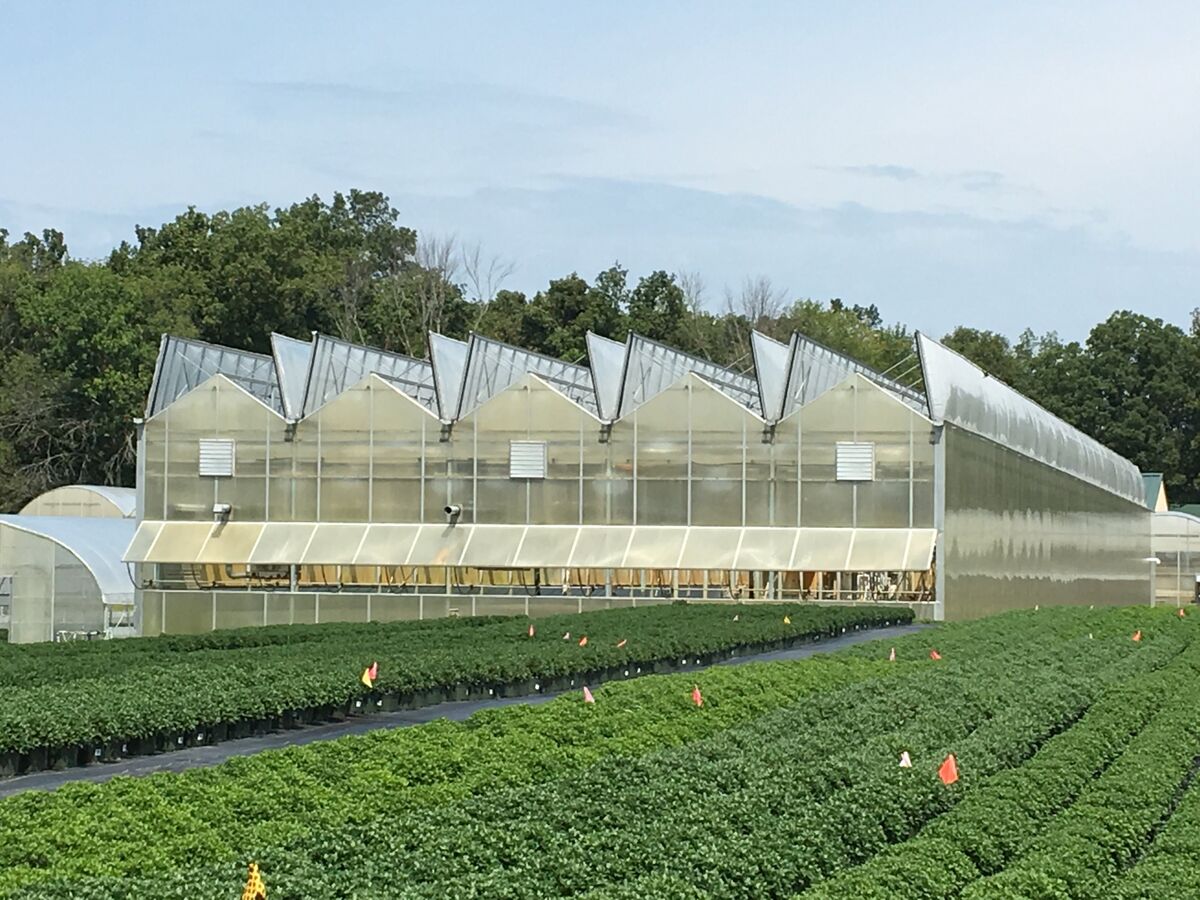
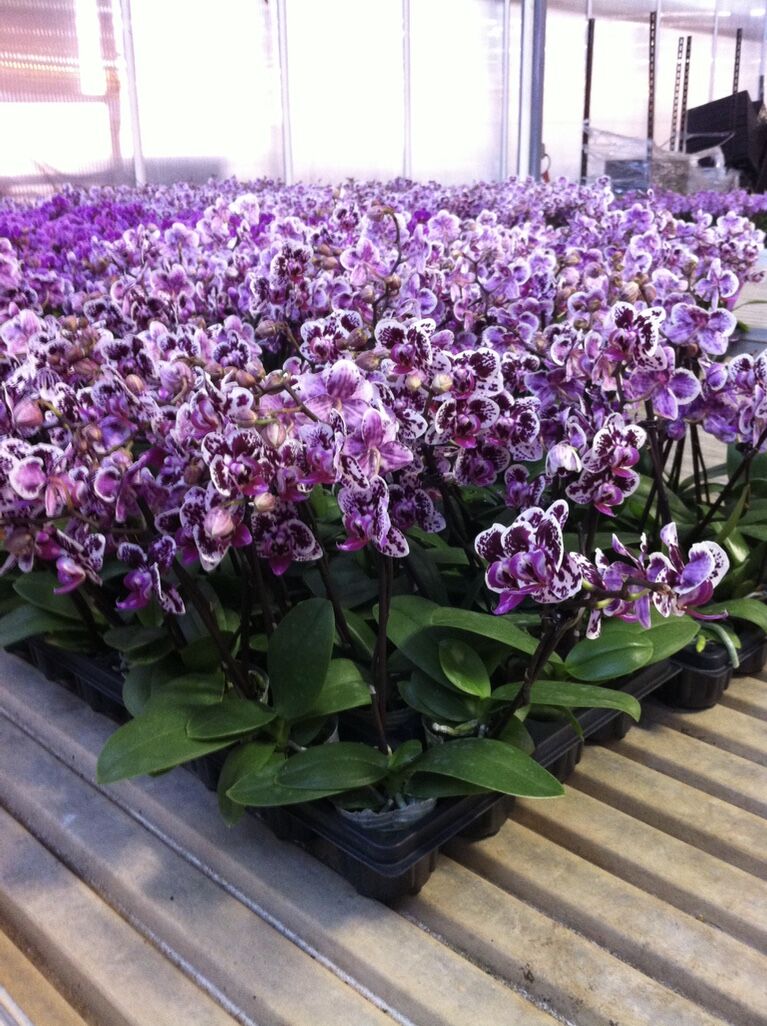
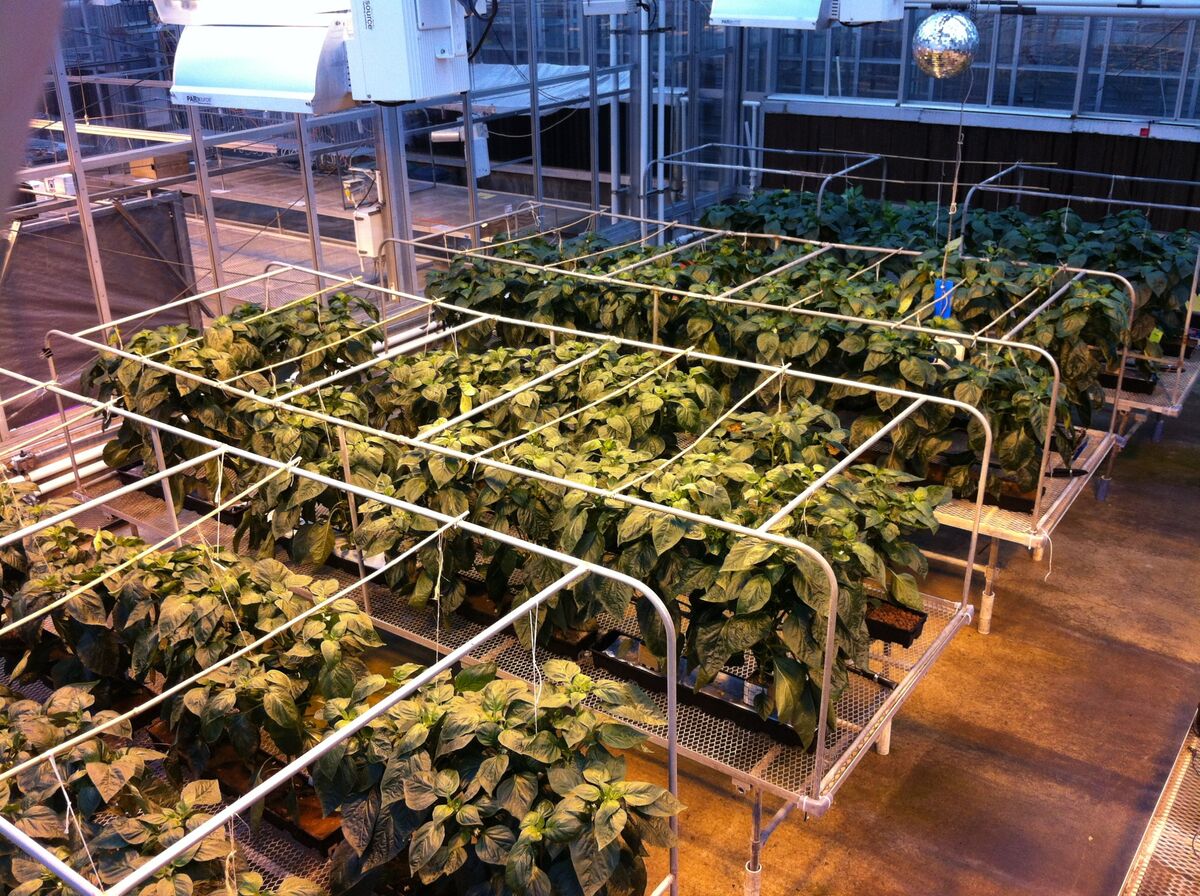
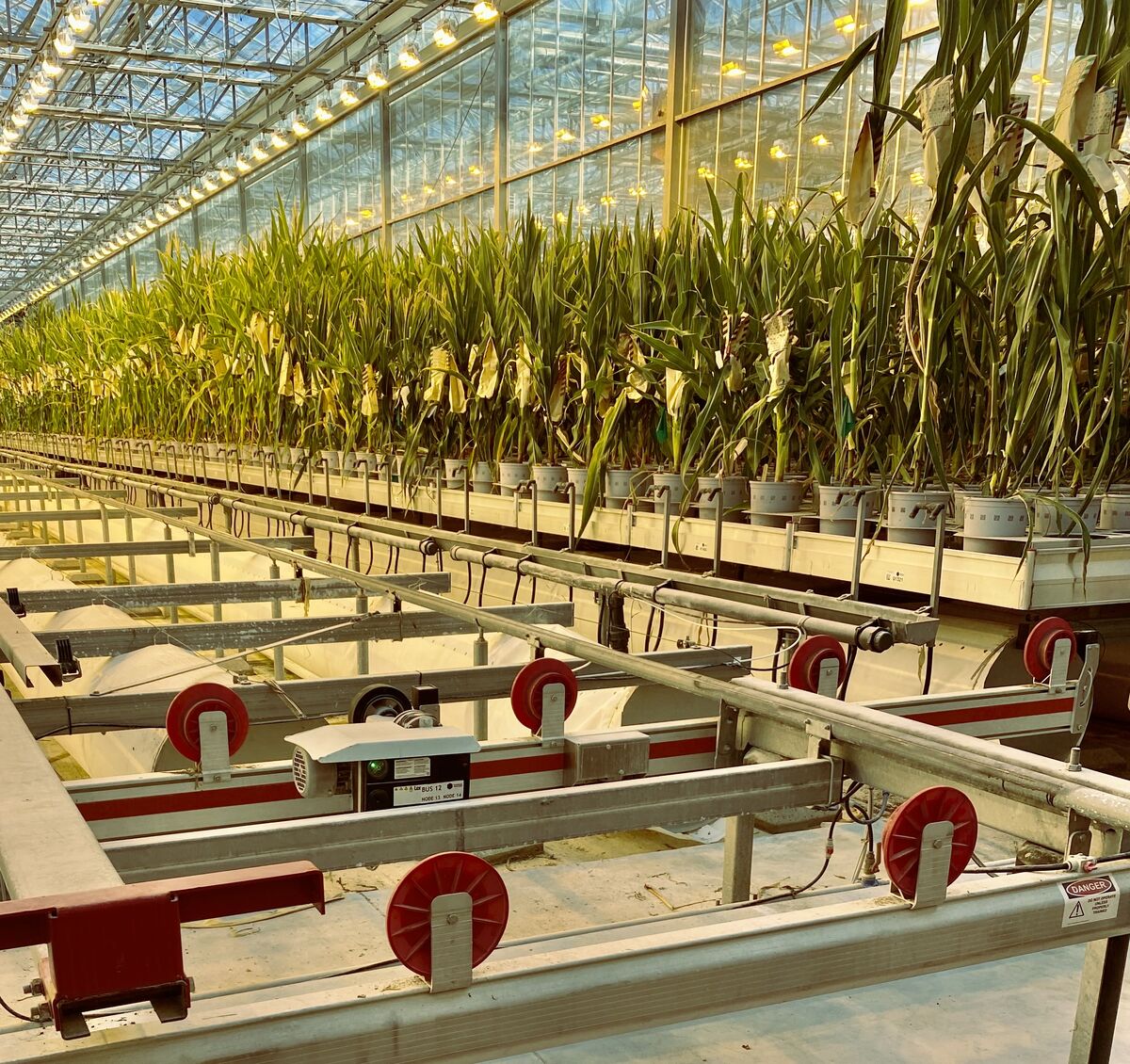
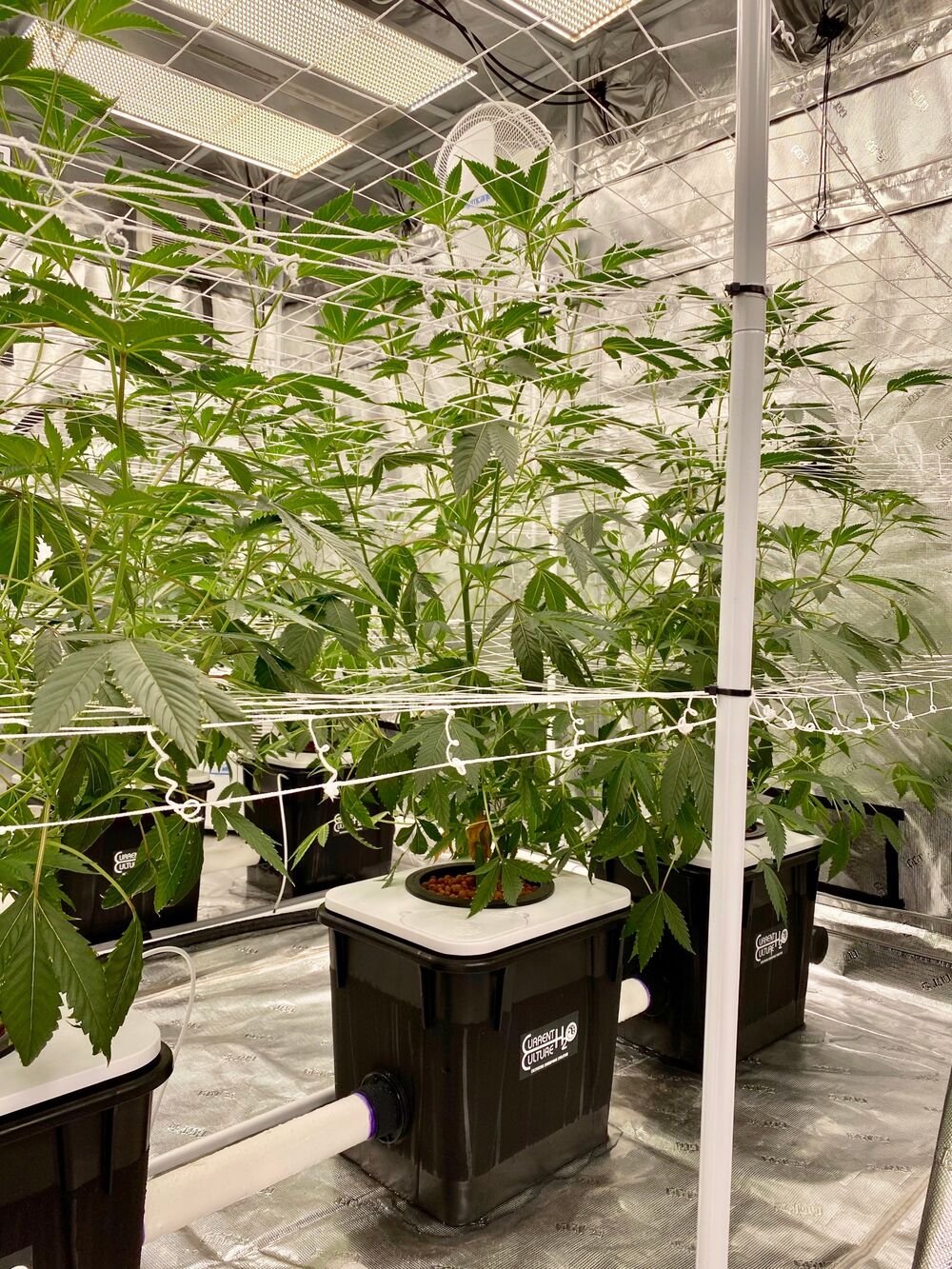
Data centers, ethanol and biorefinery plants, power and combined heat and power plants, and glass and other industrial sites all make heat they cannot use. A greenhouse can use that heat, and sometimes the CO₂ too. Making it work comes down to a long list of practical questions about connections, timing, scale and who needs to be at the table.
I was a co-author of a groundbreaking feasibility study on pairing data centers with greenhouses in southern Virginia, built on 16 stakeholder interviews, and primary author of a guide on colocating greenhouses with other industries. I have had these conversations with growers, data center and industrial teams, utilities and the economic development people who bring projects to a region, and I tell each of them plainly what a greenhouse needs and what it can take.
I am not an engineering firm or an economic development agency. I work alongside both, and I will say when a question belongs with them. Much of my grounding in this area comes from my time at Resource Innovation Institute.
I'm a greenhouse person first. Every project starts with what the crop needs, whether it is food, flowers, feed or medicine. Most of my clients are the organizations that invest in, supply, power, fund or train growers.
An independent read on a greenhouse company, technology or project before you commit money.
A reality check on a greenhouse plan or product, whether growers can afford it and will buy it, and what to fix before you raise money or build.
Which growers will try a new product or protocol, plus research greenhouse operations and crop trials.
Plain answers on what a greenhouse needs, feasibility reports, and help bringing growers and heat-source partners together.
How greenhouses use energy, what growers need from a utility, and how efficiency programs can reach them.
Technical reports, guides, reviews, webinars and stakeholder roundtables.
Greenhouse courses, training materials and help running a teaching greenhouse.
Planning school greenhouses and food production that teachers can actually keep running.
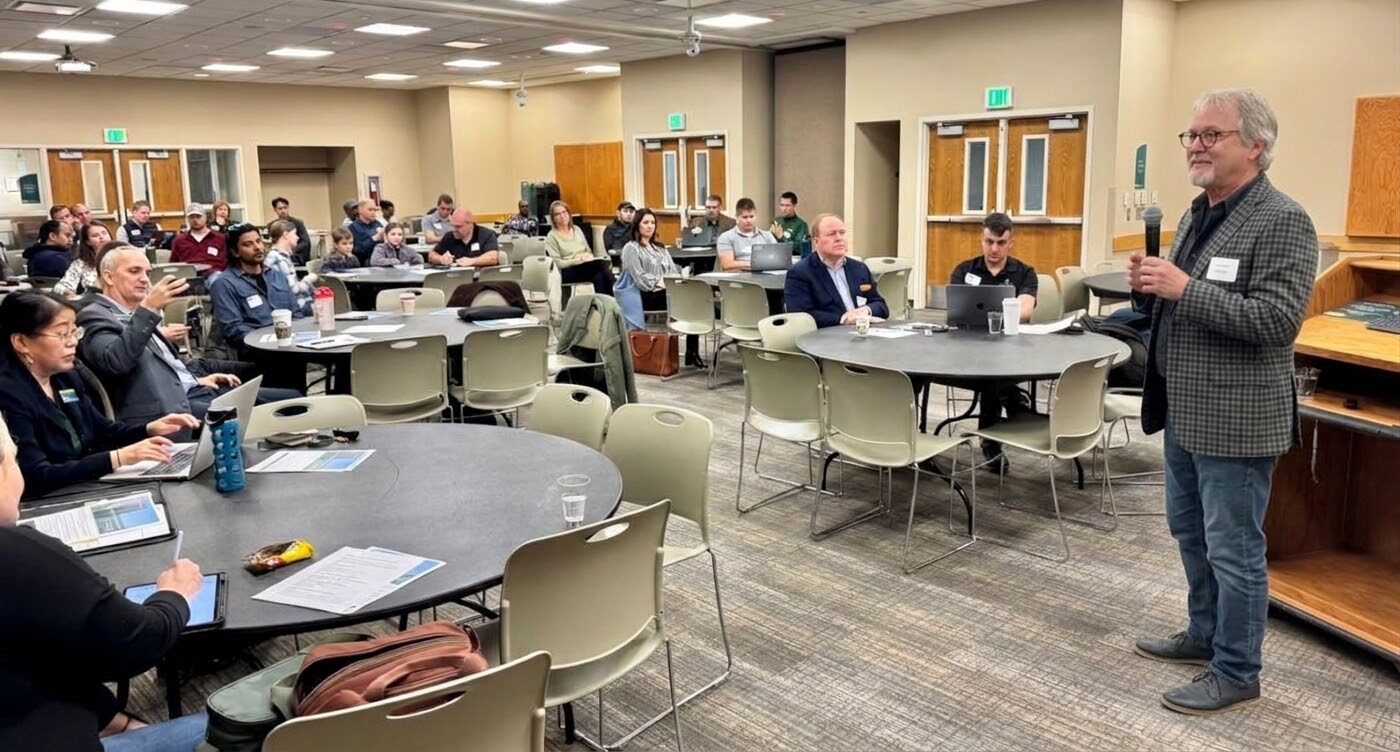
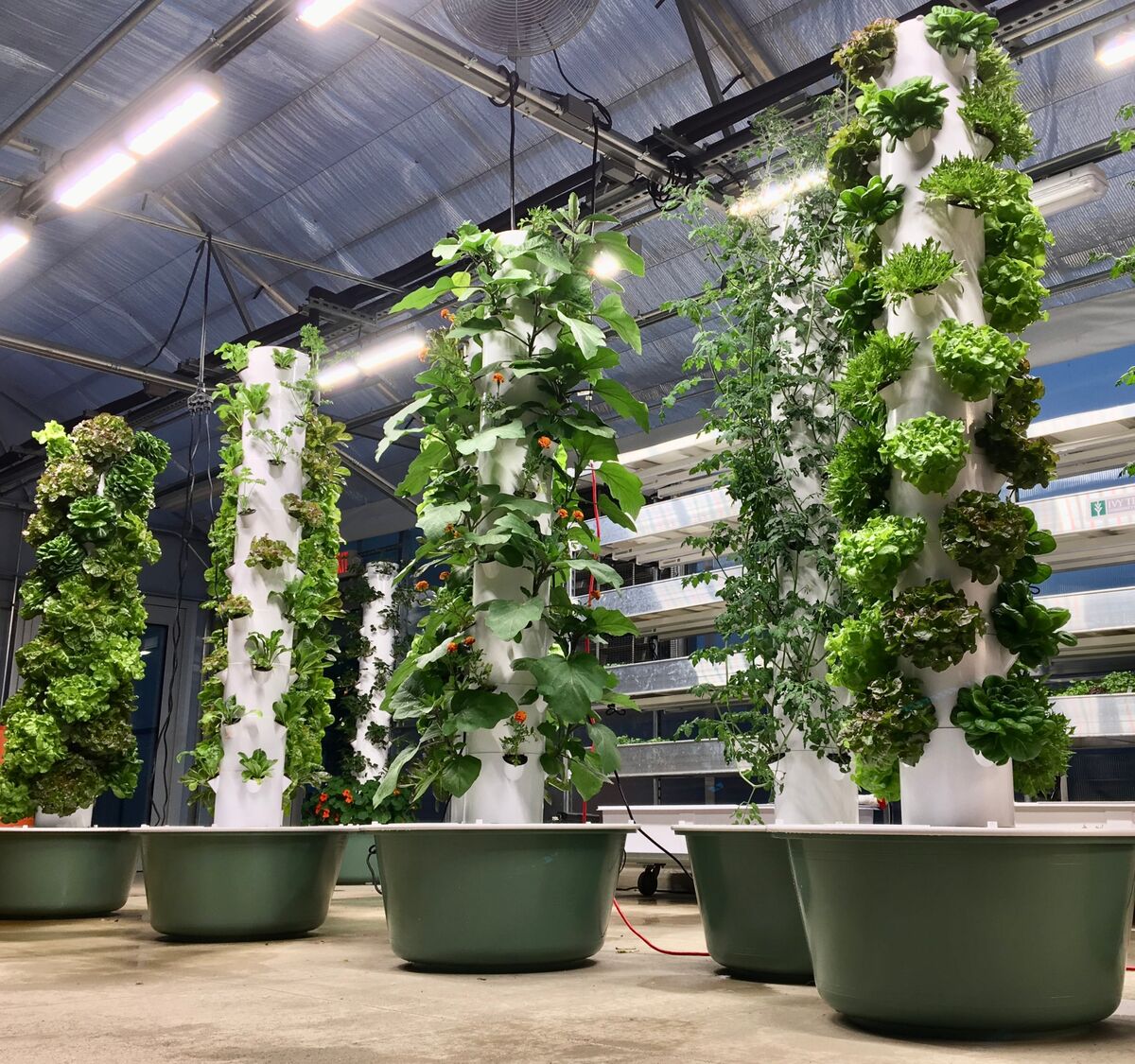
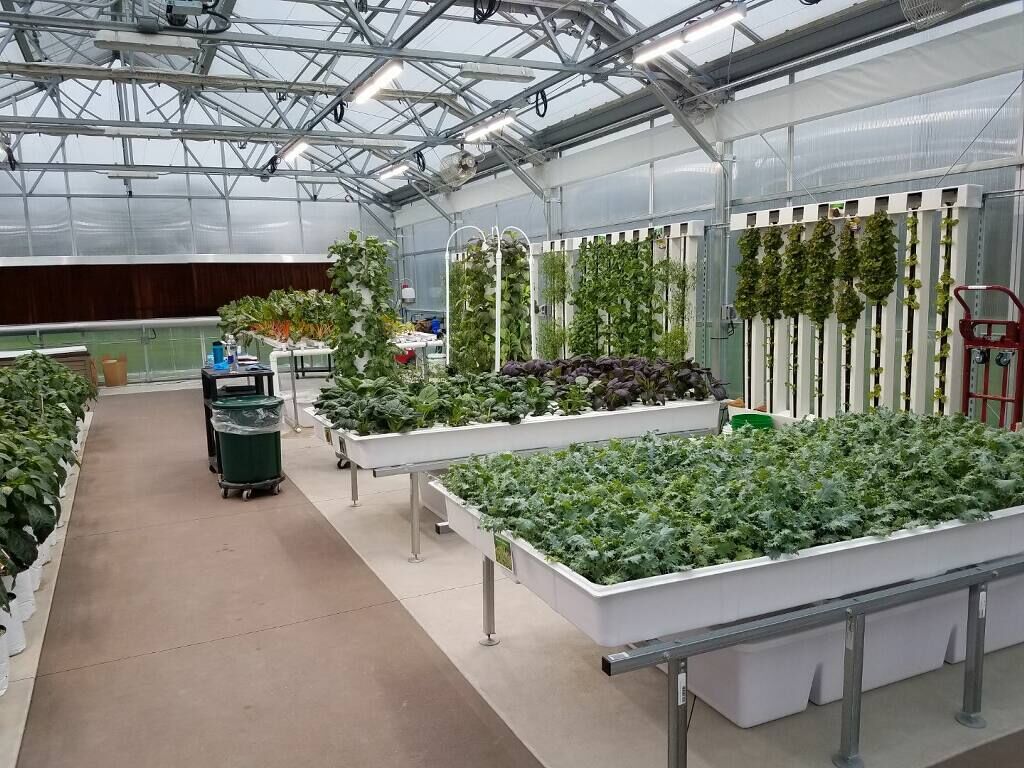
Growers of food, flowers, feed and medicine: I work with you most often as part of a larger energy, research or development project. If you are a grower with that kind of project, I would like to hear from you.
Past clients include Dow AgroSciences, Novozymes, Indigo Ag, Enko Chem, AeroFarms, BrightFarms, Heliponix, Clade9, Core Cannabis, Blue Arrow Botanicals, the U.S. Botanic Garden, Ivy Tech Community College and Parkview Health.
I have taught growers, facility crews, engineers and builders, students, utilities, and state and local government staff. I like turning a technical topic into something a crew can use on Monday.
I built all of GrowBuild's first program, CEA Building & Biosystems: Horticulture Essentials. It is a 16-hour, five-course certificate that teaches horticulture to the designers and builders of greenhouses and indoor farms, and to the engineers and technicians who install and maintain their systems, so they can talk with growers and specify what the crop needs. It is offered with the Ohio Controlled Environment Agriculture Center of The Ohio State University, which issues the certificate. Resource Innovation Institute owns the program.
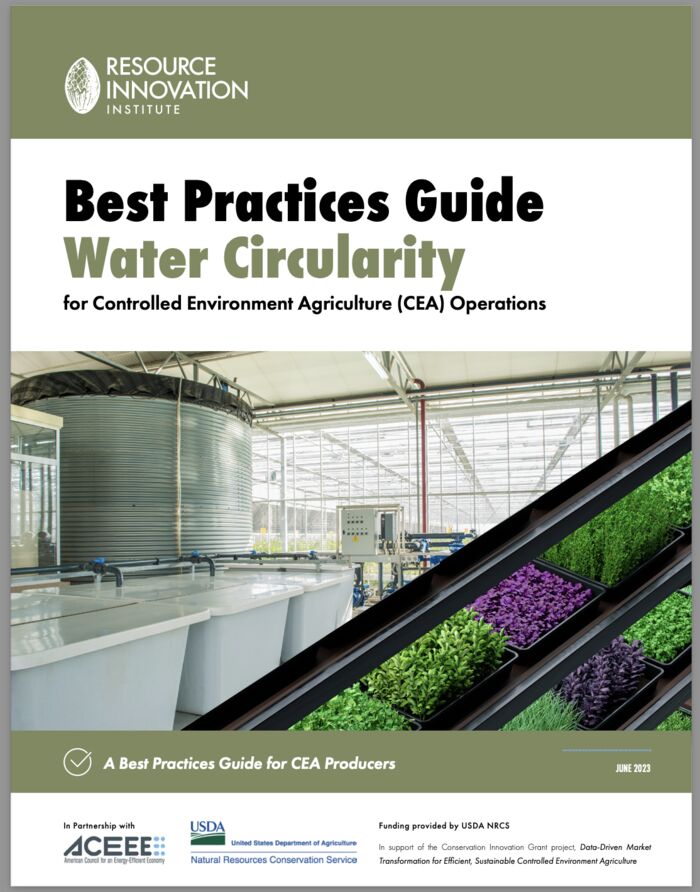
Primary author of eleven industry best-practice guides and reports, and secondary author of two more, supported by the U.S. Department of Energy, Berkeley Lab, USDA NRCS and ACEEE.
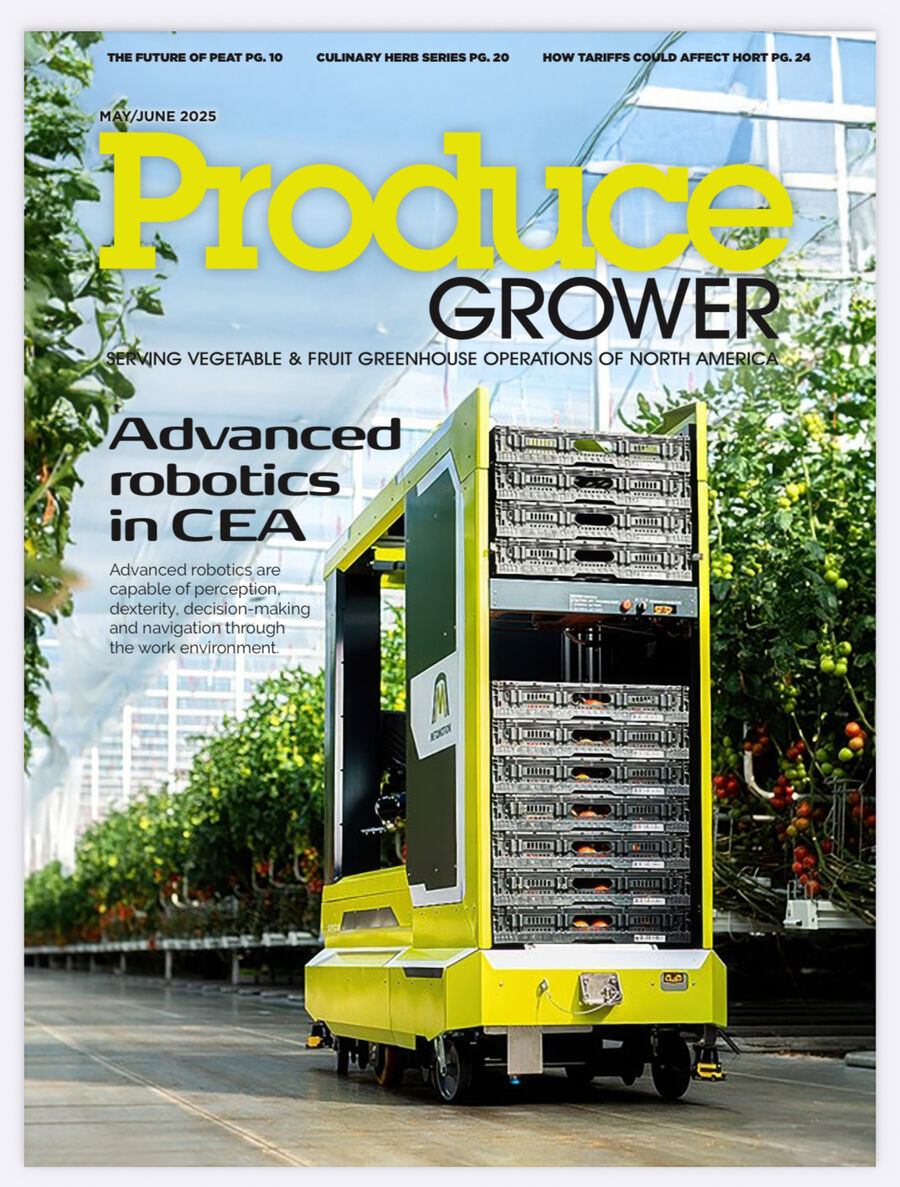
More than 30 trade articles, including a Produce Grower cover feature on advanced robotics.
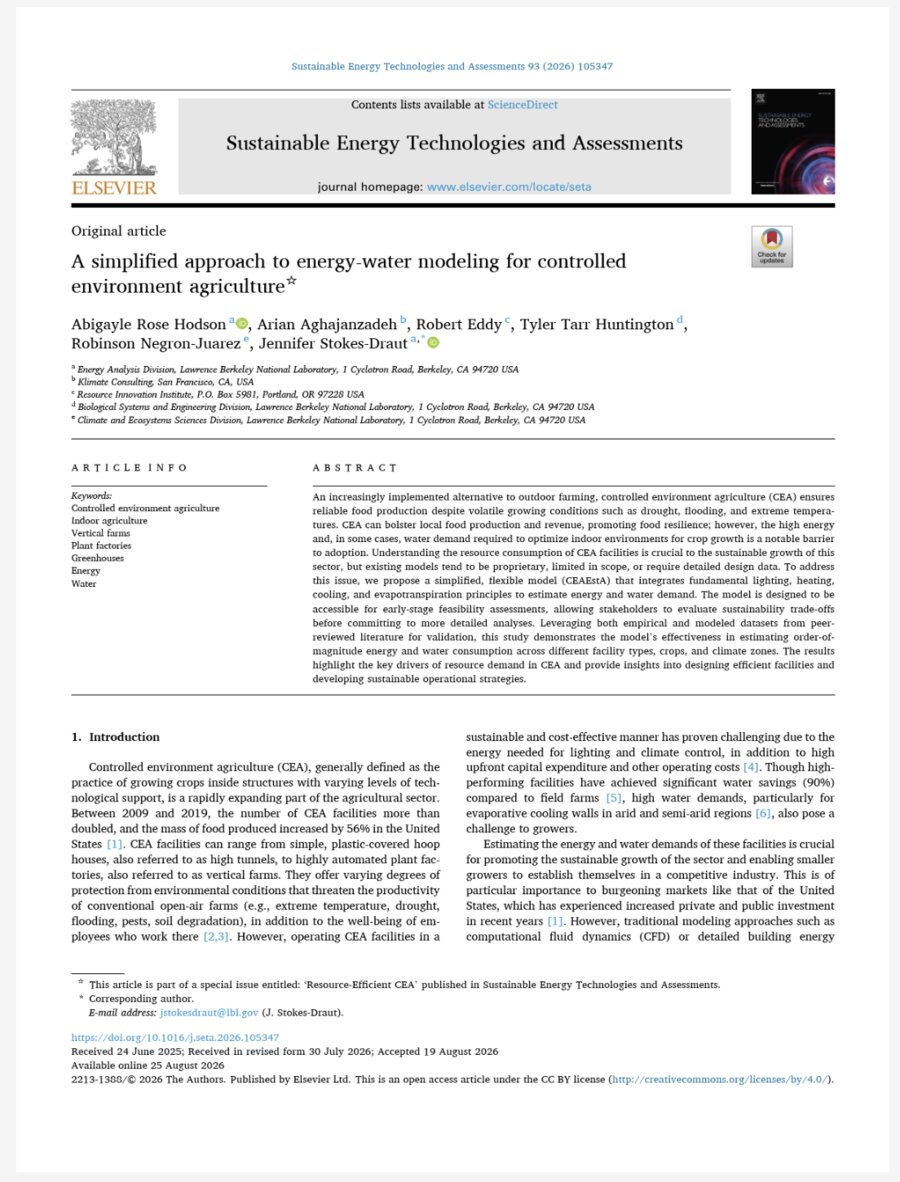
Co-author of a 2026 peer-reviewed paper with Berkeley Lab on estimating a CEA facility's energy and water use.
48 Purdue cultivation guides, downloaded more than 80,000 times in 104 countries.
Colleagues tend to describe me as curious about their work and easy to work with. Here is how some of them put it.
“Within 10 days of my first contact with him, he had visited our facility for two days, assessed current condition, recommended hardware and control system upgrades that would maximize throughput, quality and reproducibility of our studies, provided a list of preferred vendors for these upgrades and introduced us to key contacts at those vendors. This resulted in a shortened quote gathering process and we are now well on our way to getting these upgrades installed in record time.”
“He has routinely interacted with research scientists, administrators, planners, designers, students, and maintenance staff.”
“Rob is incredibly knowledgeable about plant growth and automation, but he also has an insatiable curiosity to know more and to understand unique aspects of growth and development.”
“He has a great personality and does a fantastic job of making everyone feel welcomed and valued, and brings energy to the working place.”
“Rob has had a long and outstanding career as manager of the horticulture research greenhouses at Purdue University.”
Tell me what you are working on and who is involved. If I am the right person, we will set up a conversation. If not, I will try to point you to someone who is.
How I work. I work part time, on a few projects at a time, because I would rather do a few projects well than many quickly. Most projects are billed hourly. For longer projects, I can join your team as a contractor for a set fee. Either way, I will send a quote after we talk.
Many requests I get are outside my work. To save us both time, I don't take on:
© CEA Consultancy LLC. Publications named here were written with Resource Innovation Institute and are available from them.